

Registered Psychologist & Mental Health Lead
Amy Coupland
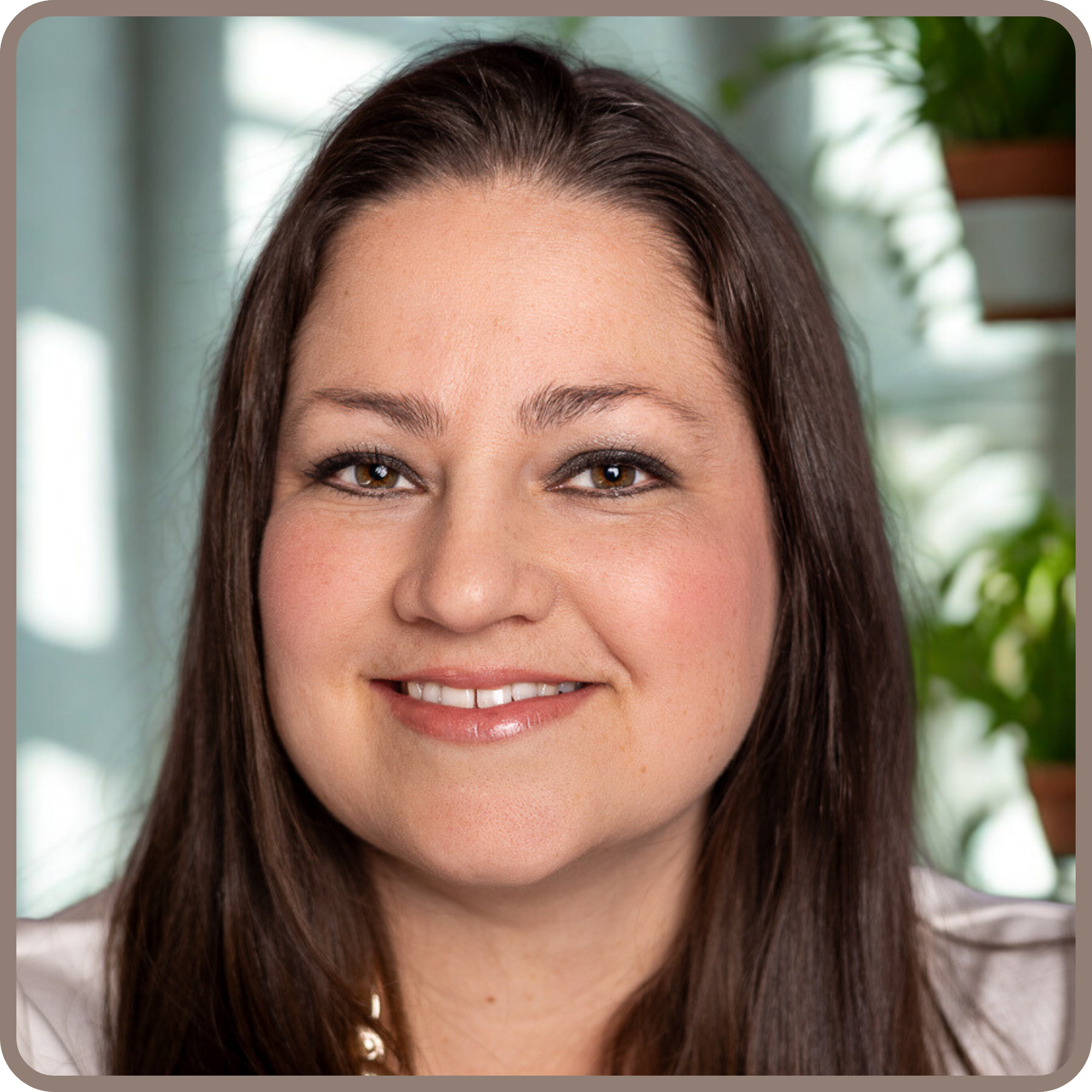
“My goal is to create a safe, supportive space where individuals feel seen, understood, and empowered through every stage of life’s journey. I am passionate about helping others recognize their inner strength, break through barriers, and experience healing in ways that feel compassionate, meaningful, and authentic to them.”
Meet Amy.
Amy is a Registered Psychologist with the College of Alberta Psychologists and Maliya’s Mental Health Team Lead. With over 23 years of clinical experience, Amy provides compassionate, evidence-based support to individuals and families navigating addictions, mental health disorders, trauma, neurodiversity, adoptions, separations, and significant life transitions.
Her approach is integrative and client-centered, combining practical strategies for emotional regulation, resilience-building, and values-based living. Amy draws on trauma-informed, strengths-based, and mindfulness frameworks to help clients develop adaptive coping skills, improve relationships, and foster personal growth. She is skilled in assisting clients with complex family dynamics, career transitions, identity concerns, and is committed to creating a safe, nonjudgmental environment for clients to explore and address their unique needs.
Amy works with the assistance of her support dog, Benji, who is available for sessions with children, families, and adults.
Children/Youth/Teens (3+)
Child/Youth/Teen Therapy
Family Therapy
Virtual
Phone

-
Neurodiversity and Autism
Anxiety and depression
Trauma (childhood, developmental, attachment, relational, complex trauma, and PTSD)
Emotional regulation, chronic stress, and life transitions
Borderline Personality Disorder (BPD)
Behavioural concerns (including ADHD, ODD, OCPD, and teens in group settings)
Low self-esteem and self-worth
Boundary-setting and codependency
Family relationships, blended family dynamics, and adoption
Separation/divorce, and parenting support
Parent-child/youth/teen relational challenges, and sibling challenges
School-related difficulties
Grief and loss
Disordered eating and body image concerns
Substance use and addiction recovery
Qualified to screen and assess for a broad range of mental health disorders, supporting accurate diagnosis and effective treatment planning
-
Integrative and client-centred
Trauma-informed
Strengths-based
Mindfulness-based
Evidence-based
-
Cognitive Behavioural Therapy (CBT)
Dialectical Behavioural Therapy (DBT)
Emotionally Focused Therapy (EFT)
Emotionally Focused Family Therapy (EFFT)
Family Group Conference (FGC)
Play Therapy
Solution-Focused Brief Therapy (SFBT)
Narrative Therapy
Acceptance and Commitment Therapy (ACT)
Exposure and Response Prevention (ERP)
Rooted in Purpose.
From a young age, Amy knew she was meant to help others. She often found that she felt most like herself when she was supporting, encouraging, and caring for the people around her. Her own understanding of the complexities of childhood, personal growth, and the many transitions that life brings deepened her compassion and strengthened her desire to walk alongside others through their healing journeys.
Amy believes that every stage of life comes with its own challenges, and that support and therapy are not limited to one season of life — but can be a meaningful part of lifelong growth and wellbeing. She feels deeply honoured to witness the resilience, transformation, and self-discovery that can unfold when clients feel safe, supported, and truly seen.
Through her hands-on experience working in schools alongside neurodiverse children and youth, Amy witnessed the powerful impact support animals can have in therapeutic and educational settings. She saw firsthand how animals can help individuals feel safe, nurtured, grounded, and emotionally regulated in ways that words sometimes cannot. These experiences further fueled her passion for helping break down barriers and destigmatize approaches that are often misunderstood or overlooked.
For Amy, healing goes beyond mindset alone. She is passionate about helping clients recognize the strength, resilience, and capability that already exists within them — even during the moments when they may struggle to see it themselves.
Insurance and Direct Billing
Many of the services offered at Maliya may be eligible for insurance coverage. Before booking, please confirm your practitioner’s designation and if your insurance provider(s) are able to provide coverage.
Please note that we cannot guarantee coverage for any specific service, as eligibility depends on your individual insurance plan/policy. For this reason, we strongly recommend confirming your coverage details directly with your insurance provider prior to booking, including whether your service may be eligible under a Health Care Spending Account.
Once coverage has been confirmed, please contact us to determine whether we are able to direct bill your insurance company or if you will require an invoice receipt to submit for reimbursement.
Amy is covered through NIHB.