
Hormone Therapy
Hormonal changes can touch nearly every part of your life—affecting your energy, mood, sleep, cycles, and overall sense of wellbeing. Whether you are navigating perimenopause, menopause, endometriosis, PMDD, PMOS, or other menstrual and hormonal concerns, hormone therapy can offer meaningful support in restoring balance within the body.
Hormone Therapy (HRT) is a gentle and effective approach that works with your body to help regulate hormones and ease symptoms such as painful or irregular cycles, sleep disturbances, weight changes, anxiety, low mood, joint discomfort, and more.
At Maliya, we recognize how deeply hormonal health can influence your overall wellbeing. Our Nurse Practitioners offers personalized hormone therapy designed to honour your unique physiology and experiences. Together, we focus on understanding the root causes of your symptoms and supporting your body in finding its natural balance—so you can feel more like yourself again.

Beyond the Symptoms: Understanding Hormone Therapy
Hormone Therapy is a vital treatment option for women experiencing symptoms associated with hormonal issues like perimenopause, menopause, endometriosis, PMDD, and PMOS. It works by replenishing or balancing the body’s hormones—such as estrogen, progesterone, and testosterone—depending on your individual needs. This therapy helps regulate the body’s natural hormonal fluctuations, offering relief from common symptoms such as painful or irregular menstruation, mood swings, sleep disturbances, weight gain, vaginal dryness, painful intercourse, hot flashes, fatigue, and many more. By addressing the root cause of hormonal imbalances, hormone therapy restores balance and improves quality of life, allowing women to navigate these changes with greater ease and comfort.
Our experienced nurse practitioners, trained in both traditional and functional medicine, is an expert in women’s hormone health. They performs comprehensive testing and a detailed intake to understand your hormonal profile before creating a personalized treatment plan. This personalized treatment plan may include bioidentical hormones, and/or alternative treatments like acupuncture or supplements, each selected to deliver effective symptom relief and long-term balance. Throughout your treatment, they closely monitors your progress, ensuring your care is adjusted as needed. Recognizing that each woman’s hormonal journey is unique, they will create a treatment plan tailored to your individual needs that evolves with you over time.
Hormones in Harmony: A Holistic Guide to Reclaiming Your Vitality
-
Menopause: managing symptoms such as hot flashes, night sweats, and hormonal changes.
Perimenopause: addressing early symptoms like irregular periods, mood swings, and sleep disturbances.
Sleep issues: helping with symptoms like insomnia, dream concerns, and disrupted sleep patterns.
Weight concerns: supporting healthy weight management and changes associated with hormonal shifts.
Mood concerns: managing mood swings, anxiety, and depression related to hormonal changes.
Irregular menstruation: treating menstrual irregularities that occur with issues like menopause, perimenopause, PMOS/PCOS, and endometriosis.
Painful menstruation (dysmenorrhea): alleviating pain associated with menstruation and throughout the menstrual cycle.
Heavy bleeding (menorrhagia): offering solutions for excessive menstrual bleeding.
Cyclic migraines/headaches: addressing hormonal migraines or headaches that follow menstrual cycles.
Body aches and pains: resolving acute or chronic joint pain, frozen shoulder, hip pain, overall body pain and more.
Painful intercourse: providing treatment for vaginal dryness and discomfort during intercourse.
Frequent urinary tract infections (UTIs): offering prevention and treatment strategies for recurrent UTIs.
Bladder leakage (urinary incontinence): managing bladder control issues commonly associated with aging and hormonal changes.
-
Menopause, as defined by the North American Menopause Society (NAMS), is reached 12 months after a woman's last menstrual period, marking the end of reproductive ability. Menopause typically occurs around age 52, though it can happen earlier or later, and is characterized by a significant decline in estrogen, progesterone, and androgen levels. This hormonal shift often leads to symptoms like hot flashes, night sweats, mood swings, and vaginal dryness, and can be a challenging transition for women if not treated appropriately.
Before menopause, women experience perimenopause, a transitional phase that can begin as early as their 40s and last several years.
During perimenopause, hormone levels fluctuate, causing irregular periods, sleep disturbances, and emotional changes. Many women also experience symptoms like headaches, weight gain, and heightened sensitivity to stress. The intensity and duration of these symptoms vary greatly between individuals, influenced by factors like genetics, lifestyle, and ethnicity.
Both NAMS and the Society of Obstetricians and Gynaecologists of Canada (SOGC) recognize that while menopause is a natural life stage, its symptoms and related health risks, such as osteoporosis and heart disease, may need medical attention.
Ongoing research emphasizes the importance of personalized care to effectively manage symptoms and promote long-term well-being.
-
Endometriosis is a chronic condition in which tissue similar to the lining of the uterus (endometrium) grows outside the uterus, often affecting the ovaries, fallopian tubes, and surrounding pelvic tissues. This misplaced tissue still behaves like normal endometrial tissue, thickening and shedding with each menstrual cycle, but it has no way to exit the body. This can lead to inflammation, severe pain, heavy periods, and even fertility issues. Over time, the condition can result in scar tissue, adhesions, and cysts.
Hormone therapy is a common and effective treatment option for managing endometriosis. By regulating the body’s hormone levels, hormone therapy can slow or stop the progression of the condition, reduce inflammation, and alleviate painful symptoms. Hormone therapy helps manage the symptoms of endometriosis, improving quality of life and allowing you to regain control of your health.
-
Polyendocrine metabolic ovarian syndrome (PMOS), formerly known as Polycystic Ovary Syndrome (PCOS), is a common hormonal disorder affecting individuals of reproductive age. Characterized by a combination of symptoms such as irregular menstrual cycles, excess androgen levels (which can lead to symptoms like acne and excessive hair growth), and polycystic ovaries, PMOS can significantly impact a woman's overall health and quality of life. It is also associated with increased risks of insulin resistance, weight gain, and fertility challenges.
Hormone therapy is an effective treatment option for managing the symptoms of PMOS. By regulating hormone levels and addressing underlying imbalances, hormone therapy can help restore regular menstrual cycles, reduce androgen levels, and alleviate symptoms such as acne and excessive hair growth.
-
Bioidentical Hormones are plant-derived substances designed to replicate the exact molecular structure of hormones naturally produced by the body, such as estrogen, progesterone, testosterone, and DHEA.
They are often used in hormone replacement therapy to help menopausal women replenish diminished hormones. Since bioidentical hormones are chemically identical to those produced by the body, many women feel more comfortable using them as part of their treatment. Our hormone specialist will support you in finding the solution that is right for your body and your values!
One of the key benefits of Bioidentical Hormone Therapy (BHRT) is its ability to be customized. Compounded bioidentical hormones, which may come in various forms such as creams, gels, capsules, or suppositories, are made in specialized pharmacies. This allows for tailored dosing that fits each patient’s unique hormonal needs, offering a more personalized approach to care.
-
Many women are curious about exploring alternatives or complementary approaches to hormone therapy when navigating menopause. While some pharmaceutical options may be used to support symptoms such as anxiety, depression, or ADHD, many women feel drawn toward more natural and integrative forms of care.
Supportive non-hormonal options may include:
Herbal remedies such as black cohosh, dong quai, St. John’s wort, hops, wild yam, ginseng, and evening primrose oil
Integrative therapies including acupuncture, yoga, mindfulness, and cognitive behavioural therapy (CBT)
Lifestyle and wellness practices that support stress regulation, sleep, and overall hormonal balance
While research around some of these therapies continues to evolve, many women find that an integrative approach—combining hormone therapy with supportive natural therapies—can offer meaningful relief and a more personalized path to wellbeing.
With education in both traditional and functional medicine, our hormone specialist approaches care holistically, thoughtfully combining treatments to honour each woman’s unique hormonal journey.
Our Hormone Therapy Protocol
At Maliya, hormone therapy is approached as a thoughtful and supportive journey rather than a single appointment. Our Nurse Practitioners, works closely with each client to understand their unique hormonal picture and guide them through a personalized care plan designed to support long-term balance and wellbeing.
All hormone therapy appointments are CONDUCTED VIRTUALLY, allowing you to receive care from the comfort and privacy of your own home. The HRT protocol is structured in a series of sessions that are completed in succession, ensuring that your progress can be carefully monitored and your treatment adjusted as your body responds.
Throughout the process, you will be provided with ongoing guidance and support, allowing space for education, questions, and adjustments along the way—so you feel informed, supported, and empowered throughout your hormone health journey.
-
Duration: Up to 60 minutes
Cost: $450
Focused on getting to know you, including your medical history, surgical history, symptoms, and health concerns
Discussion about how hormonal changes may be impacting your health and wellbeing
Exploration of potential treatment and support options
After the appointment, the Nurse Practitioner will review any existing bloodwork or imaging you may have
If needed, additional lab work or diagnostic testing will be ordered
Testing requisitions and instructions will be sent within approximately one week
This step helps ensure your practitioner has a complete picture of your health before the next stage of care
-
Duration: 30-45 minutes
Cost: $255
Scheduled after: Completion of all required testing from Session 1
Timing: Session 2 is typically booked 10 days after the date you complete your testing to allow time for results to be received
Review of your bloodwork and diagnostic results with the Nurse Practitioner
Discussion of personalized treatment options, which may include:
Lifestyle adjustments
Complementary therapies such as acupuncture or targeted supplements
Pharmacotherapy, including hormone therapy when appropriate
Focus on collaboratively creating a care plan that aligns with your comfort level, goals, and health needs
Follow-up blood requisition will be provided for the next round of testing prior to Session 3
-
Duration: 30 minutes
Cost: $225
Timing: Typically scheduled approximately three months after Session 2
Review of your progress and overall response to treatment
Discussion of your second set of bloodwork results
Assessment and refinement of your treatment plan if needed
Prescription renewals or adjustments provided as appropriate
A supportive check-in to ensure your treatment remains effective and aligned with your goals
New blood requisition will be provided for your next round of testing prior to Session 4
-
Duration: 30 minutes
Cost: $225
Timing: Typically scheduled six months after Session 3
Review of your third set of bloodwork results
Check-in on your symptoms, progress, and overall health
Discussion of how your treatment plan is working long-term
Fine-tuning or adjustments to ensure your care continues to support your needs
Hormone levels monitored to maintain balance and effectiveness of treatments
Prescription refills or adjustments provided as needed
New blood requisition will be provided for your next round of testing prior to Session 5
-
Duration: 30 minutes
Cost: $225
Timing: Typically scheduled six months after Session 4
Review of your fourth set of bloodwork results
Check-in on your symptoms, progress, and overall wellbeing
Discussion of how your treatment plan is supporting you long-term
Adjustments made as needed to ensure your care continues to align with your evolving needs
Hormone levels monitored to maintain balance and effectiveness of treatment
Ongoing care is typically reviewed every six months, though you are always welcome to contact the clinic sooner if support is needed
-
Our Nurse Practitioners are available for continued support during and after your hormone protocol.
If you encounter any concerns or questions throughout or following your treatment, we invite you to email them at private@maliya.ca, or you may book either of the following sessions:
General Consultation (for existing patients only - non-HRT related) (Virtual)
Duration: 20 minutes
Cost: $100
Prescription Refill Request
Duration: N/A
Cost: $48
Our Nurse Practitioner
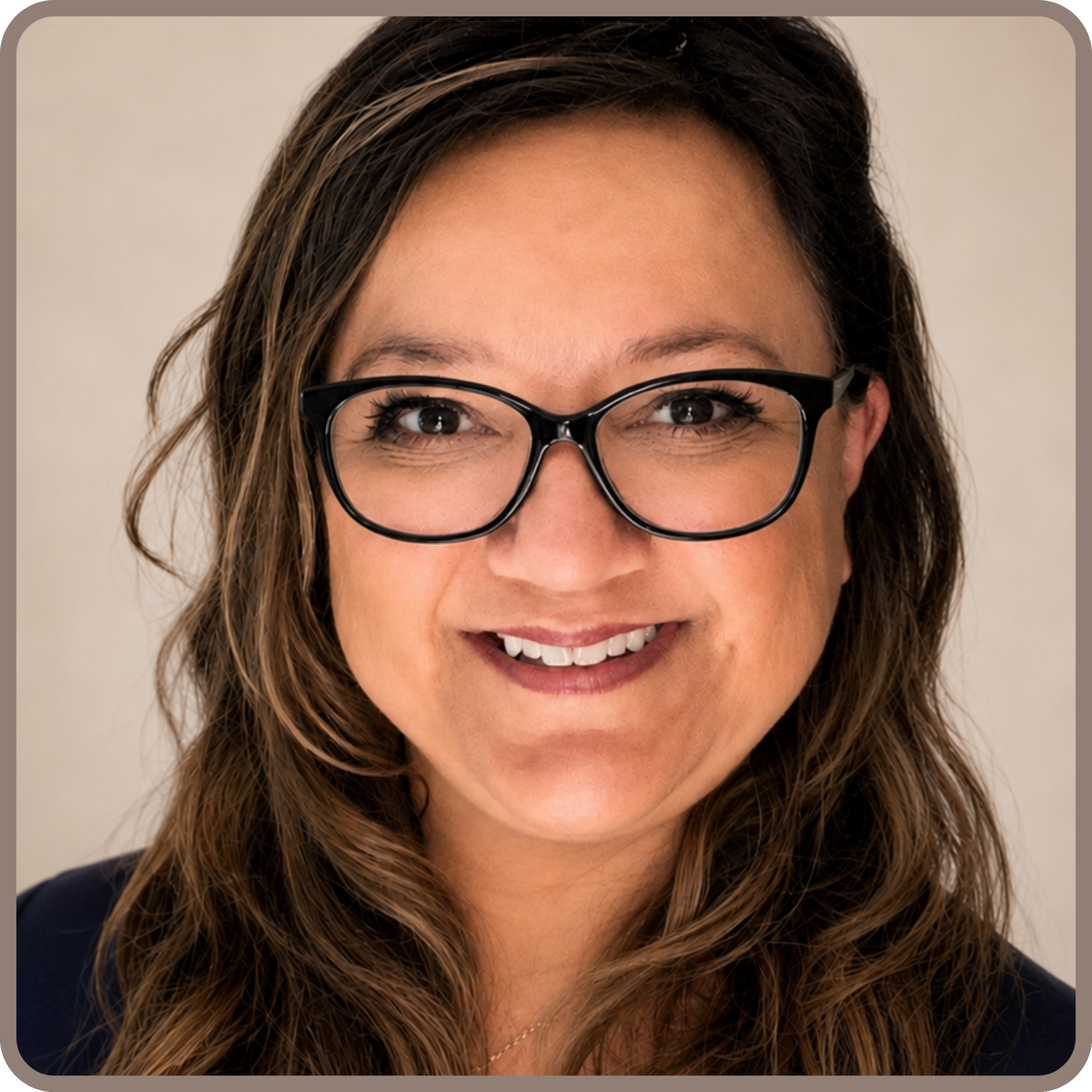
Tracey McGowan
Nurse Practitioner & Hormone Specialist
Insurance & Direct Billing
Please note that we cannot guarantee coverage for any specific service, as eligibility depends on your individual insurance plan/policy. For this reason, we strongly recommend confirming your coverage details directly with your insurance provider prior to booking, including whether your service may be eligible under a Health Care Spending Account.
Once coverage has been confirmed, please contact us to determine whether we are able to direct bill your insurance company or if you will require an invoice receipt to submit for reimbursement.
HRT sessions are typically not covered by insurance, we still recommend for you to check with your insurance provider in the case of Health Spending Accounts and what is eligible under your specific policy.
***Any required bloodwork is covered by Alberta Health Services, and any required prescriptions are covered by insurance if you have drug coverage.