
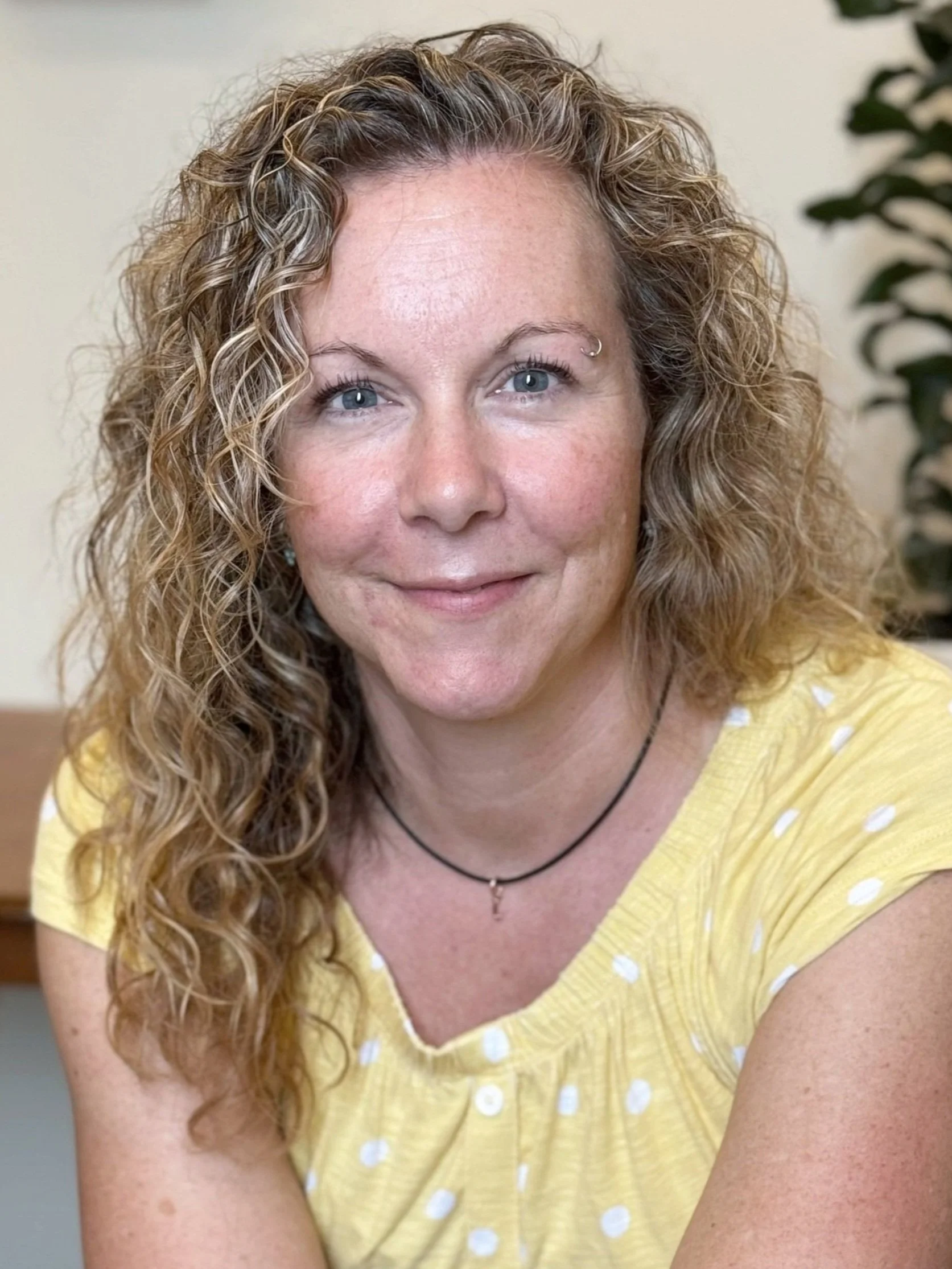
Meet Julie.
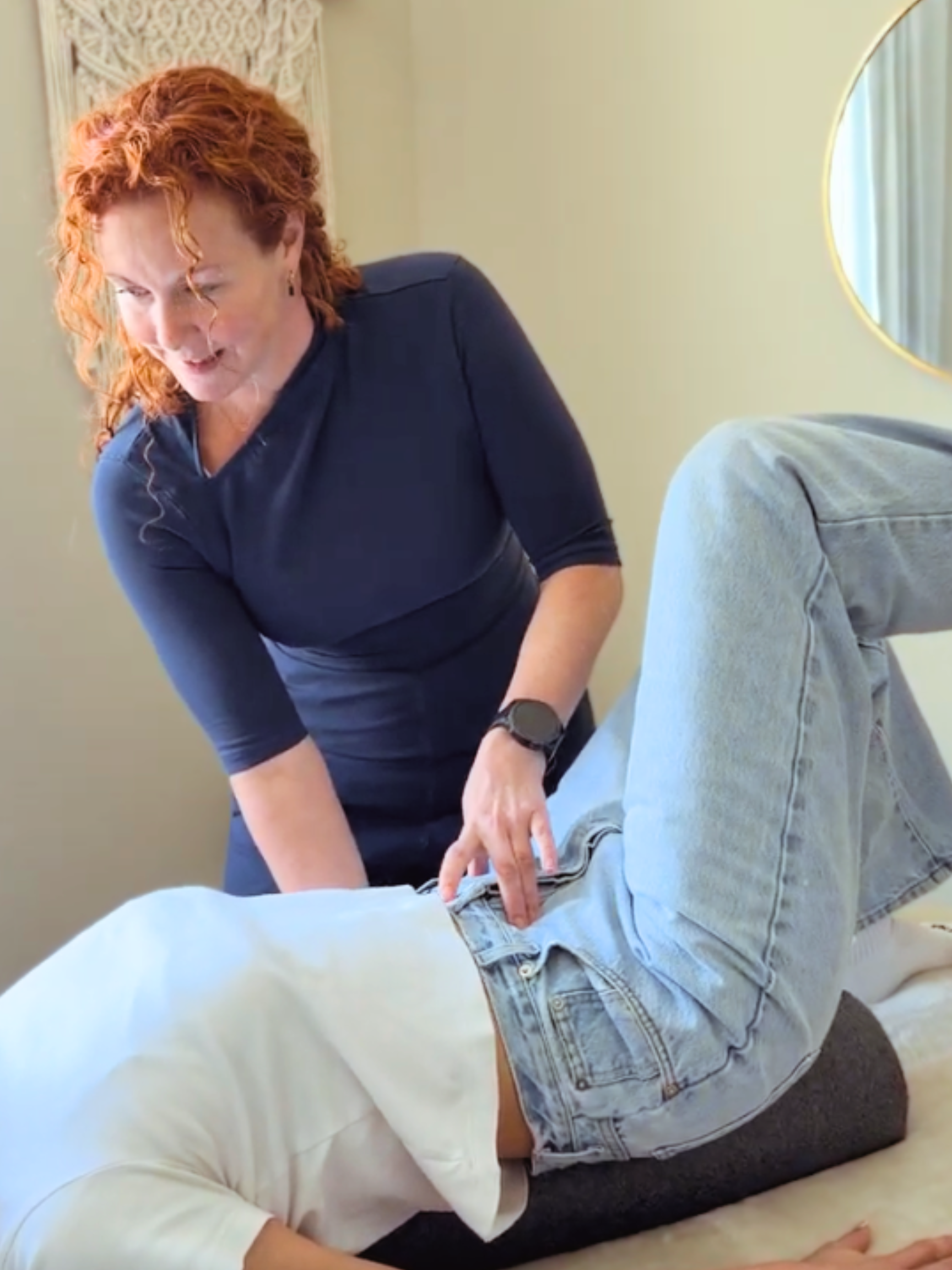
Julie Fournier is a compassionate physiotherapist dedicated to helping individuals move better, feel stronger, and regain confidence in their bodies. She has a special focus on oncology rehabilitation, chronic pain, and hypermobility conditions, including Ehlers-Danlos Syndrome.
Julie completed her Bachelor of Community Rehabilitation and Disability Studies at the University of Calgary (2016) and her Master of Science in Physiotherapy at the University of Alberta (2018), graduating at 40 years old. Since then, she has pursued extensive post-graduate training, including advanced orthopaedic courses through the Canadian Physiotherapy Association, Manual Lymph Drainage certification (Certified Lymphedema Therapist) through Klose Training, and additional training in acupuncture, pain neuroscience, and temporomandibular joint (TMJ) dysfunction.
Her clinical experience includes rehabilitation oncology and work within a chronic pain centre, where she developed a strong foundation in supporting individuals with complex and long-term conditions.
Julie integrates evidence-informed care with a strong emphasis on education and understanding. In her work with chronic pain, she helps patients make sense of their symptoms, reduce fear around movement, and build resilience over time. With hypermobility, she focuses on improving joint stability, strength, and body awareness to support safe, confident movement and reduce the risk of injury.
“Movement is most powerful when it feels supportive, accessible, and woven into everyday life. My work is centred on helping people reconnect with their bodies in a way that feels thoughtful, human, and sustainable.”

Rooted in Purpose
Julie’s path into physiotherapy grew from her experience within the medical field and a deep connection to movement as a form of healing. Over time, she came to understand that movement is most supportive when it is woven into everyday life in a way that feels natural, accessible, and sustainable.
She also became aware of how easily care can feel rushed or standardized, with exercises prescribed without fully considering the person in front of them—their lived experience, lifestyle, or the reality of the pain they are navigating. This shaped her desire to approach physiotherapy with more intention, presence, and personalization.
Her clinical placement in oncology further deepened this perspective, strengthening her passion for supporting individuals undergoing or recovering from cancer treatment. It reaffirmed her belief that healing extends beyond the physical, holding emotional and psychological layers that deserve care and attention.
Julie believes physiotherapy is not only about the body, but about the connection between mind, body, and lived experience. She brings together medical knowledge and a holistic lens in her practice, creating space for care that is thoughtful, grounded, and human.
For Julie, movement is connection and expression. She is committed to helping each person rediscover what feels possible in their body, and to supporting them in building hope, confidence, and ease along the way.

-
Postural and movement-related concerns
Neck, back, and joint discomfort
Chronic and persistent pain conditions
Injury and post-surgical rehabilitation
Oncology and cancer recovery support
Hypermobility and Ehlers-Danlos Syndrome (EDS)
Strength, mobility, and functional movement support
Balance, stability, and body awareness
When appropriate, Julie also incorporates dry needling into treatment to help relieve muscle tension, reduce pain, improve mobility, and support your overall recovery. Dry needling is always tailored to your individual needs and only used when it aligns with your treatment goals.
-
Oncology rehabilitation (during and after cancer treatment)
Lymphedema management (Manual Lymph Drainage)
Chemotherapy-induced peripheral neuropathy (CIPN) support
Post-surgical and radiation-related pain and stiffness
Chronic pain education and management (pain neuroscience-informed care)
Hypermobility-focused rehabilitation and EDS support